

The first cold night sends homeowners toward the thermostat, portable heaters, and fireplace. Equipment that has sat unused for months suddenly becomes part of the daily routine. A damaged cord, blocked furnace vent, or expired smoke alarm can turn a small maintenance problem into an emergency.
A home fire safety checklist before winter should cover smoke alarms, carbon monoxide detectors, heating equipment, electrical connections, attic insulation, dryer vents, generators, and escape routes. Some checks take only a few minutes. Others require professional service before the equipment can be used safely.
According to the U.S. Fire Administration’s residential heating fire statistics, an estimated 27,200 heating-related residential building fires occurred in the United States in 2024. They caused an estimated 145 deaths, 475 injuries, and $445.9 million in property damage.
I would start with the equipment that warns people of danger, followed by the appliances and building components that can create it.
Key Takeaways
- Test smoke alarms monthly and replace units when they reach 10 years of age.
- Keep portable heaters at least 3 feet away from combustible materials.
- Arrange professional inspections of furnaces and chimneys before seasonal use.
- Check attic insulation around recessed lights, chimneys, and heat-producing equipment.
- Keep portable generators outdoors, at least 20 feet away from the house.
- Make sure every household member knows the fire escape plan.
Test Every Smoke Alarm
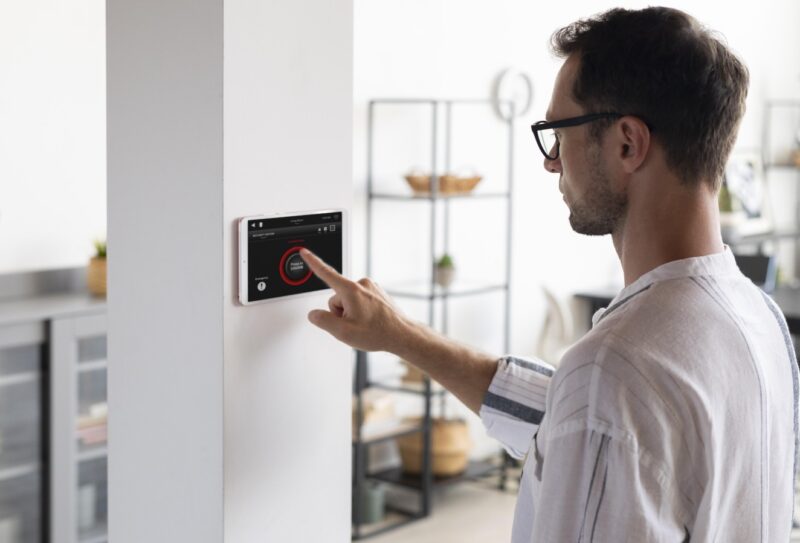
Smoke alarms should be the first item on the winter safety checklist.
Check that each bedroom has an alarm. There should also be alarms outside separate sleeping areas and on every level of the home, including the basement.
Press the test button on each device. If an alarm does not respond, follow the manufacturer’s instructions and replace defective equipment.
The U.S. Fire Administration recommends monthly tests and replacement of smoke alarms after 10 years, or sooner if specified by the manufacturer.
An interconnected system provides additional protection because activation of one alarm triggers the others.
I would also check that everyone can hear the alarm. People with hearing difficulties may require compatible flashing lights or vibrating alert devices.
When to act: Replace missing, defective, or expired alarms promptly. Never disable a smoke alarm to stop nuisance alerts.
Check Carbon Monoxide Detectors
Carbon monoxide becomes a particular concern during winter because fuel-burning furnaces, fireplaces, and generators may receive heavier use.
The gas has no smell or visible color. Exposure can cause headaches, dizziness, confusion, loss of consciousness, and death.
According to the U.S. Consumer Product Safety Commission’s carbon monoxide guidance, homes should have working CO alarms on every level and outside sleeping areas.
Check each detector’s test function and expiration date. Replacement intervals vary by model, so follow the manufacturer’s instructions.
If a CO alarm activates, leave the property immediately and call 911 from outside.
Do not remain inside to locate the source. Do not return until emergency responders confirm that the building is safe.
When to act: An activated CO alarm is an emergency, not a routine service issue.
Inspect the Furnace Before Regular Use
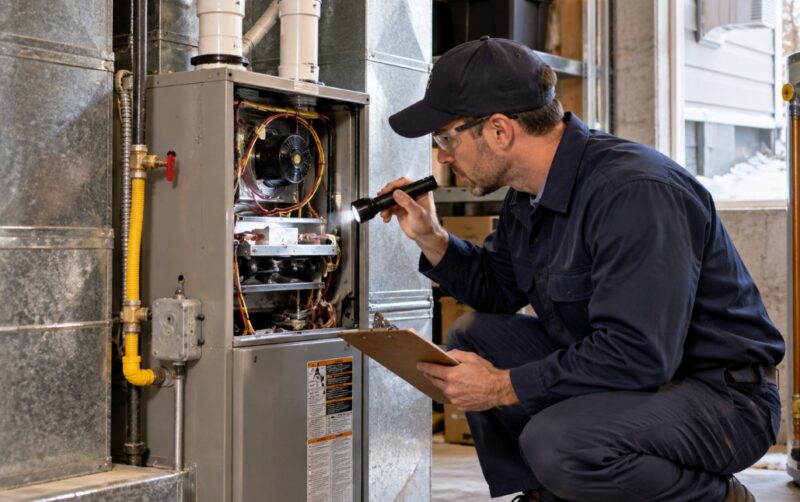
A furnace can still produce heat even when an internal component requires attention.
Before the heating season, arrange a professional inspection of the system, particularly its combustion and exhaust components where applicable.
Homeowners can perform a basic visual check of the surrounding area.
Look for clutter, corrosion, damaged accessible components, or blocked openings. Keep combustible storage materials away from heating equipment.
Outdoor exhaust vents also need attention. Snow, debris, or other obstructions can interfere with proper operation.
Do not open sealed combustion components or attempt repairs to gas connections without appropriate qualifications.
I would arrange service before regular winter use rather than wait for an unusual smell or repeated shutdown.
When to act: Suspected venting defects, overheating, or unsafe operation require professional attention before further use.
Examine Portable Space Heaters
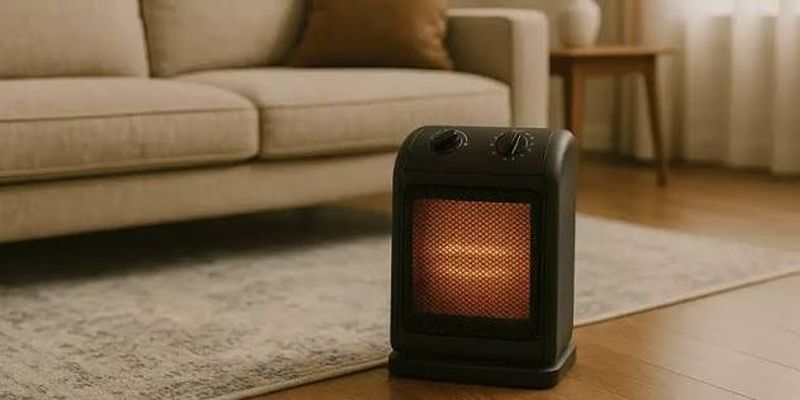
Portable heaters are convenient during cold weather, but their location is critical.
Keep at least 3 feet of clearance on every side between a portable heater and bedding, curtains, paper, upholstered furniture, or other combustible objects.
Place the heater on a stable, level surface. Plug it directly into a suitable wall outlet.
Never connect a portable heater to an extension cord or power strip.
Inspect the cord and plug before use. Melted insulation, scorch marks, exposed wires, or a loose connection mean the heater should remain disconnected.
Turn the heater off before leaving the room or going to bed.
I would also favor models with appropriate safety certification and automatic shutoff protection.
When to act: Stop using a heater with damaged electrical components. Replace it or arrange qualified service.
Arrange a Chimney and Fireplace Inspection
A fireplace that worked last winter may have developed problems during the warmer months.
Bird nests, debris, creosote deposits, or damaged chimney components can affect safe operation.
The Chimney Safety Institute of America recommends qualified inspection and appropriate maintenance of chimney systems.
Before the first fire, check accessible areas for obvious damage. Make sure the fireplace screen or protective enclosure is in suitable condition.
A professional should determine the need for chimney cleaning or repairs.
Keep furniture, decorations, and other combustible objects away from the fireplace opening.
Do not burn household waste or unsuitable materials in a wood-burning fireplace.
When to act: Do not use a fireplace with suspected chimney damage or unresolved safety concerns.
Check Outlets, Extension Cords, and Electrical Panels
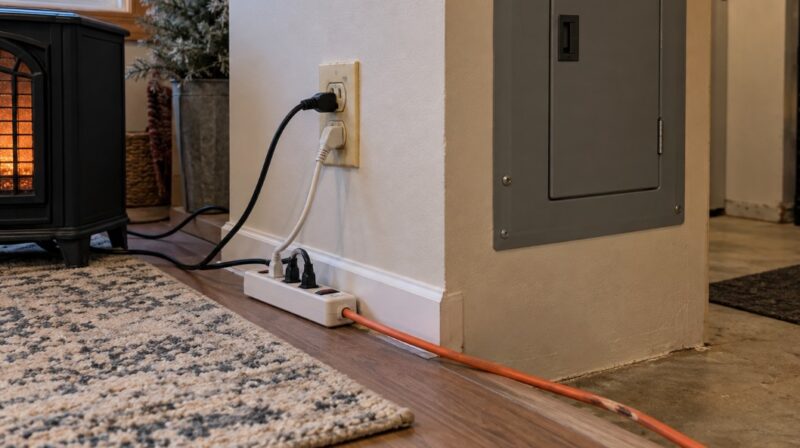
Winter can increase household electrical demand.
Space heaters, holiday lights, and other seasonal appliances may operate at the same time, sometimes through outlets that already serve several devices.
Inspect visible cords and receptacles for damage, discoloration, or signs of overheating.
A plug that becomes unusually hot deserves attention. Scorch marks or a burning smell are stronger warning signs.
Avoid extension cords beneath rugs or through doorways where they can become damaged.
Do not overload power strips. Large appliances and heaters should use suitable outlets according to manufacturer requirements.
Repeatedly tripped breakers can indicate an electrical problem.
I would leave circuit alterations, panel repairs, and concealed wiring work to a licensed electrician.
When to act: Stop using outlets or devices that show signs of overheating. Arrange qualified electrical service.
Check Attic Insulation Around Recessed Lights and Heat Sources
Attic insulation helps regulate indoor temperatures, but improper placement near certain fixtures can create a fire hazard.
Older recessed ceiling lights may not be rated for direct contact with insulation.
Fixtures marked IC are designed for insulation contact under their listing and installation instructions. Non-IC fixtures require appropriate separation or an approved protective assembly.
The U.S. Department of Energy’s Job Aid 3-2 describes a protective enclosure method for non-IC recessed lights.
Under that method:
- Maintain at least 3 inches of clearance between the light fixture and insulation.
- Use suitable noncombustible materials for the protective enclosure.
- Keep the enclosure’s top at an insulation value of R-1 or less.
- Leave the top of the protective enclosure free of insulation.
The requirements apply to the described installation method. Actual construction must follow the fixture listing, applicable codes, and approved specifications.
What a Homeowner Might Find in an Older Attic
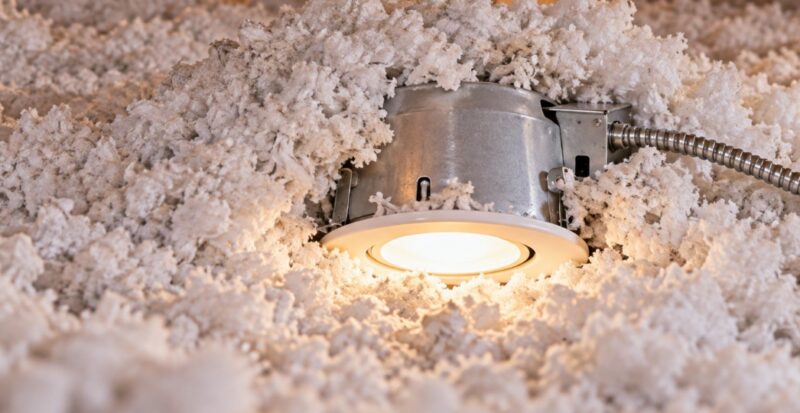
Consider an illustrative example involving a single-story house with recessed ceiling lights.
The owner notices loose-fill insulation piled against several fixtures. Their labels are not visible.
The unsafe assumption would be that every light is rated for insulation contact.
I would avoid disturbing the fixtures or attempting to identify concealed electrical components without proper qualifications.
The next step would be professional identification of the light fixtures and assessment of the correct clearances.
A qualified electrician may need to evaluate the fixtures before an insulation contractor makes adjustments.
For homeowners in Central Texas, Superior Attic provides Waco Insulation Services that include attic inspections, insulation removal, and installation. Such work should account for recessed-light ratings, chimney clearances, ventilation, and applicable fire-safety requirements.
The example represents a suggested inspection scenario, not a documented project.
Another important distinction concerns spray foam. Ordinary spray foam should not be assumed to provide a fire barrier. Appropriate thermal or ignition barriers may be required according to the product and installation.
When to act: Insulation touching an unidentified heat-producing fixture or located too close to a chimney or flue requires professional assessment.
Clean the Dryer Lint Filter and Inspect the Vent
Lint accumulation can restrict dryer airflow and contribute to overheating.
Clean the lint filter before every load. Inspect accessible ductwork for crushed sections, loose connections, or visible buildup.
Check the exterior exhaust opening. It should allow proper airflow during operation.
A dryer that suddenly requires multiple cycles for a normal load may have an airflow restriction.
Unusual heat or a burning odor also deserves attention.
Avoid pushing the dryer so close to the wall that the exhaust duct becomes crushed.
The full duct may need professional cleaning if it is long, difficult to access, or heavily obstructed.
When to act: Stop using an overheating dryer or one with a suspected severe exhaust restriction until the problem is corrected.
Inspect the Kitchen for Grease and Fire Hazards

Cooking remains a major cause of residential fires throughout the year.
Before the busy holiday season, inspect the stove, oven, range hood, and surrounding storage.
Remove grease according to appliance instructions.
Keep paper towels, dishcloths, packaging, and other combustible materials away from burners.
Turn pan handles away from busy walking areas. Stay near the stove during frying and other high-temperature cooking.
For a small, contained pan fire, covering the pan with a suitable lid may be appropriate if it can be done safely. Turn off the heat without moving the pan.
Never use water on a grease fire.
If the fire spreads or becomes unsafe to control, evacuate and call 911.
When to act: Stop using cooking equipment that shows electrical damage, gas-related concerns, or repeated overheating.
Prepare Portable Generators for Winter Power Outages
A winter power outage can make a portable generator valuable. Improper generator placement can also cause fatal carbon monoxide exposure.
Operate generators outdoors only, at least 20 feet away from the house, with exhaust directed away from buildings and openings.
Never operate a generator inside a garage, basement, crawlspace, enclosed porch, or carport.
An open garage door does not make indoor generator use safe.
Keep doors, windows, and ventilation openings away from the exhaust path.
Follow the manufacturer’s instructions for fuel storage, electrical connections, and operation during rain or snow.
A qualified electrician should install any necessary transfer equipment. Never backfeed a house through an ordinary electrical outlet.
I would also check the generator’s condition before the first predicted winter storm, rather than attempt maintenance during an outage.
When to act: Never use a generator indoors. Suspected carbon monoxide exposure requires immediate evacuation and emergency assistance.
Inspect Fire Extinguishers
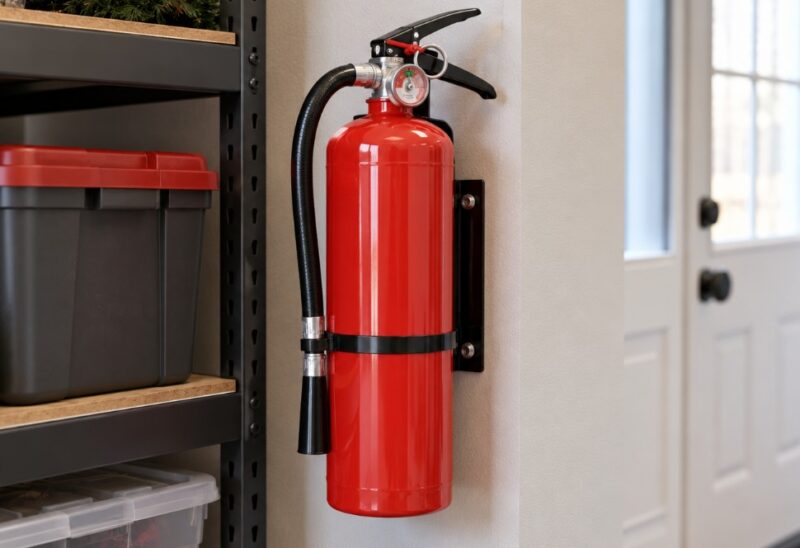
An extinguisher is useful only if it is accessible, appropriate for the hazard, and maintained according to its instructions.
Check its location before winter. Storage boxes and seasonal decorations should not obstruct access.
Inspect for visible damage, corrosion, missing parts, or evidence of previous discharge.
If the extinguisher has a pressure gauge, check its status according to the manufacturer’s directions.
A household extinguisher is intended only for a small, contained fire.
Do not attempt to fight a fire unless everyone is safe, you have a clear escape route, and you know how to use the extinguisher.
If the fire grows or produces dangerous smoke, leave immediately.
When to act: Replace or obtain appropriate service for damaged, discharged, or otherwise unserviceable extinguishers.
Practice Your Home Fire Escape Plan
A home can have working alarms and still be dangerous if occupants do not know how to escape.
The U.S. Fire Administration warns that people may have less than two minutes to escape safely after a smoke alarm activates.
Every household should have a clear escape plan.
Identify two ways out of each room whenever possible. Check that doors and windows operate properly.
Choose a safe outdoor meeting place where everyone can be accounted for.
During winter, snow and ice can obstruct steps, paths, and exits. Make sure planned routes remain accessible.
Families with children, older adults, or people with disabilities should account for individual assistance needs.
Practice the route before an emergency. Children should recognize the alarm sound and know where to go.
For broader disaster preparation, 9-1-1 Magazine’s article 8 Critical Steps to Prepare for a Large-Scale Emergency offers additional advice on evacuation plans, communication, and emergency supplies.
Once outside during a fire, stay outside and call 911.
When to act: Correct blocked exits immediately. Every household member needs a feasible way to evacuate.
Which Fire Safety Problems Need Immediate Attention?
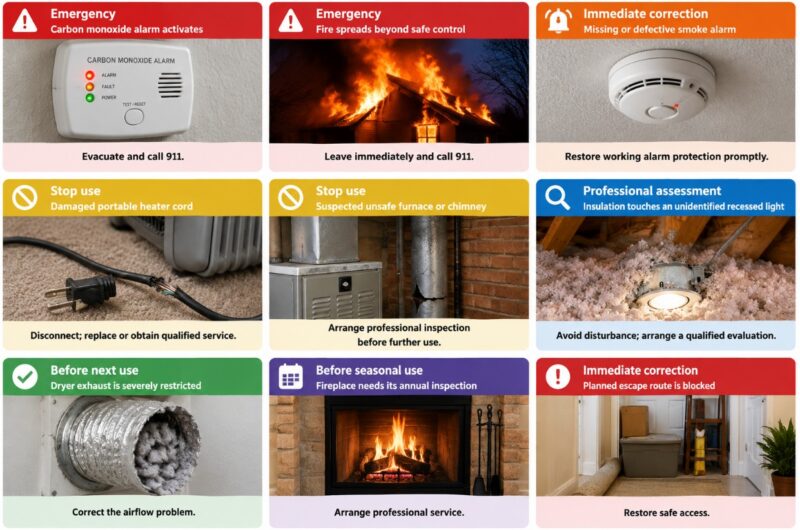
A winter fire safety inspection can reveal several problems at once. The important next step is to decide which ones require immediate action.
| Priority | Warning sign | Correct response |
|---|---|---|
| Emergency | Carbon monoxide alarm activates | Evacuate and call 911 |
| Emergency | Fire spreads beyond safe control | Leave immediately and call 911 |
| Immediate correction | Missing or defective smoke alarm | Restore working alarm protection promptly |
| Stop use | Damaged portable heater cord | Disconnect; replace or obtain qualified service |
| Stop use | Suspected unsafe furnace or chimney | Arrange professional inspection before further use |
| Professional assessment | Insulation touches an unidentified recessed light | Avoid disturbance; arrange a qualified evaluation |
| Before next use | Dryer exhaust is severely restricted | Correct the airflow problem |
| Before seasonal use | Fireplace needs its annual inspection | Arrange professional service |
| Immediate correction | Planned escape route is blocked | Restore safe access |
Not every part of the checklist requires a specialist.
In a short household inspection, you can test accessible alarms, check escape routes, look for damaged heater cords, examine visible outlets, and inspect the areas around heating appliances.
A visual check can also identify obvious concerns around the attic entrance without requiring anyone to enter an unsafe space.
If a problem involves electrical wiring, combustion equipment, chimney components, or insulation near heat-producing fixtures, stop at the point where specialist expertise is required.
The purpose is to recognize hazards early, not to turn a safety inspection into an unsafe DIY project.
Prepare Before the First Cold Night
Winter fire prevention works best before heating equipment returns to daily use.
Start with smoke and carbon monoxide alarms. Confirm that escape routes are clear. Inspect portable heaters and accessible electrical connections. Arrange professional service for equipment or attic conditions that require it.
A safe home does not depend on one perfect inspection. It depends on regular maintenance and prompt action when something is wrong.
The most useful home fire safety checklist is the one that helps you recognize a hazard early and get it corrected before an emergency occurs.